


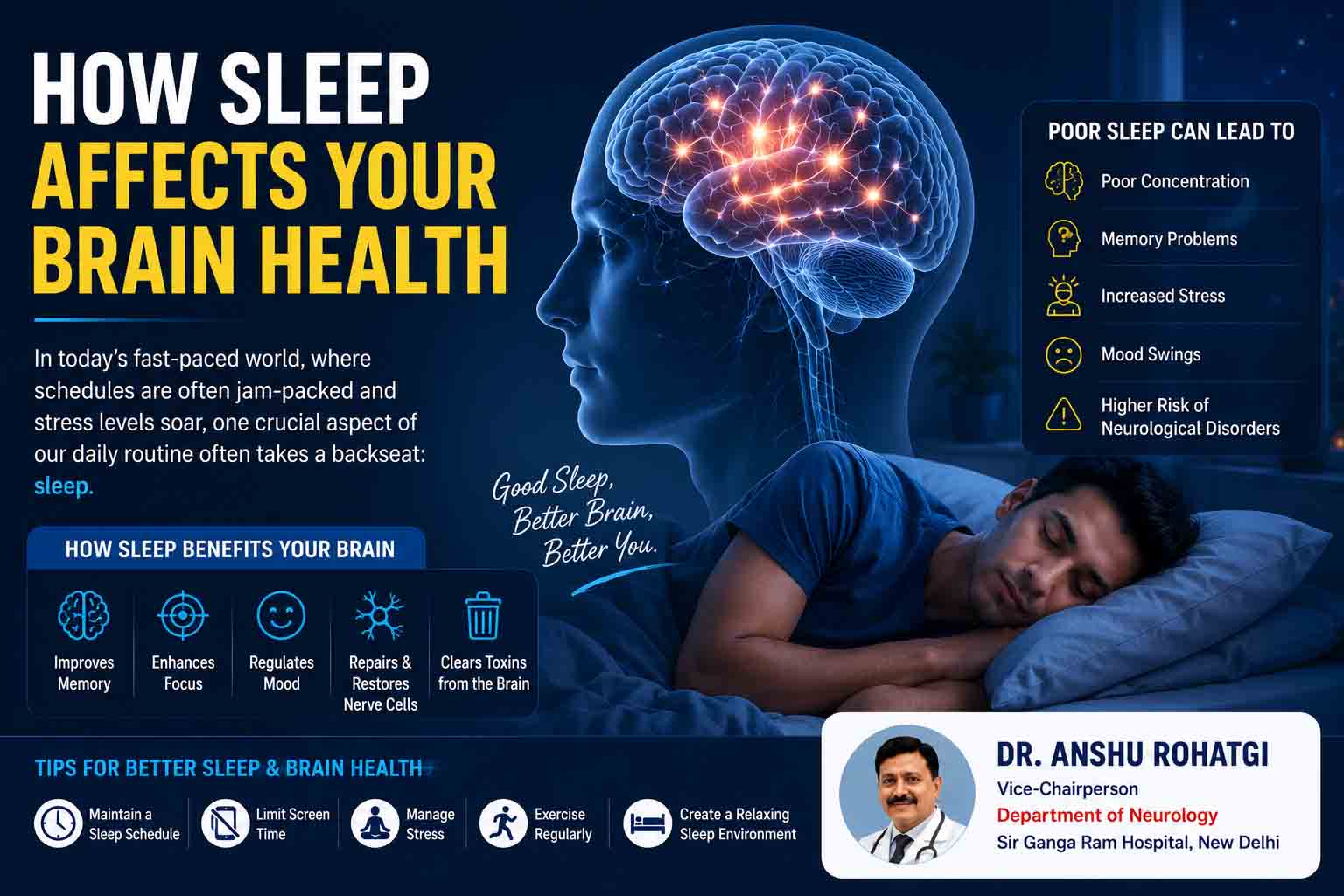
How Sleep Affects Your Brain Health
In today’s fast-paced world, where busy schedules, screen time, and stress dominate our daily lives, sleep is often ignored or compromised. Many people consider sleep a luxury rather than a necessity. However, quality sleep is one of the most important pillars of good brain health and overall well-being.
Sleep is not simply a period of rest—it is a vital biological process that allows the brain to recover, repair, and function properly. Poor sleep can negatively impact memory, concentration, mood, mental performance, and even increase the risk of serious neurological disorders.
Why is Sleep Important for Brain Health?
During sleep, the brain remains highly active. It performs several essential functions that help maintain cognitive and neurological health.
Sleep Helps the Brain:
- Process and store memories
- Improve concentration and learning
- Remove toxins from brain cells
- Repair and restore nerve function
- Regulate mood and emotions
- Improve decision-making abilities
- Support mental clarity and focus
Without adequate sleep, the brain struggles to function efficiently, affecting both mental and physical performance.
Sleep and Memory
One of the most important roles of sleep is memory consolidation. During deep sleep, the brain organizes and stores information collected throughout the day.
People who get enough quality sleep often experience:
- Better learning ability
- Improved focus
- Faster information processing
- Enhanced problem-solving skills
Lack of sleep can make it difficult to remember information, stay attentive, or think clearly.
Sleep Deprivation and Brain Function
Sleep deprivation can significantly affect brain performance. Even one night of poor sleep can impair concentration, reaction time, and judgment.
Common Effects of Poor Sleep Include:
- Brain fog
- Poor concentration
- Forgetfulness
- Irritability
- Mood swings
- Reduced productivity
- Difficulty making decisions
- Increased stress and anxiety
Chronic sleep deprivation may also contribute to long-term neurological and mental health problems.
Sleep and Mental Health
Sleep and mental health are closely connected. Poor sleep can worsen emotional health, while stress, anxiety, and depression can also disrupt sleep patterns.
People with inadequate sleep are more likely to experience:
- Anxiety
- Depression
- Emotional instability
- Increased stress levels
- Reduced emotional resilience
Healthy sleep supports emotional balance and psychological well-being.
Sleep and Neurological Disorders
Long-term sleep disturbances may increase the risk of several neurological conditions.
Poor Sleep May Be Linked To:
- Stroke
- Dementia
- Alzheimer’s disease
- Parkinson’s disease
- Epilepsy
- Chronic headaches and migraines
Sleep disorders such as sleep apnea can also reduce oxygen supply to the brain and negatively affect brain function over time.
How Much Sleep Does the Brain Need?
Most adults require around 7–9 hours of quality sleep each night for optimal brain performance. Children and teenagers may need even more sleep for healthy brain development.
Quality matters just as much as quantity. Interrupted or disturbed sleep may prevent the brain from completing important restorative processes.
Signs You May Not Be Getting Enough Sleep
You may have poor sleep quality if you experience:
- Excessive daytime sleepiness
- Difficulty concentrating
- Morning headaches
- Memory problems
- Irritability
- Snoring or breathing pauses during sleep
- Frequent nighttime awakenings
- Fatigue despite adequate sleep duration
Persistent sleep problems should not be ignored.
Tips to Improve Sleep for Better Brain Health
Maintain a Regular Sleep Schedule
Go to bed and wake up at the same time daily.
Reduce Screen Time Before Bed
Avoid mobile phones, laptops, and television before sleeping.
Create a Relaxing Sleep Environment
Keep the bedroom dark, quiet, and comfortable.
Avoid Caffeine Late in the Day
Limit tea, coffee, and energy drinks in the evening.
Exercise Regularly
Physical activity helps improve sleep quality and brain health.
Manage Stress
Meditation, deep breathing, and relaxation techniques can promote restful sleep.
When to Seek Medical Help
Consult a specialist if you experience:
- Chronic insomnia
- Loud snoring
- Excessive daytime sleepiness
- Difficulty breathing during sleep
- Frequent awakenings
- Persistent fatigue
- Sleep-related behavioral changes
Early diagnosis and treatment of sleep disorders can help protect long-term brain health.
Expert Neurological Care by Dr. Anshu Rohatgi
Dr. Anshu Rohatgi is a highly experienced neurologist in Delhi with expertise in neurological disorders, sleep-related conditions, epilepsy, stroke, migraines, and movement disorders. With decades of clinical experience, he provides comprehensive neurological evaluation and personalized treatment focused on improving brain health and quality of life.
Conclusion
Sleep is essential for maintaining a healthy brain and overall wellness. Quality sleep improves memory, concentration, emotional health, and neurological function, while poor sleep can negatively affect both mental and physical health.